
From Medical School to Practice: Requirements for an Anesthesiologist Certification
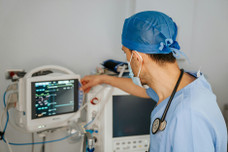
Anesthesiologists are the specialists who quietly hold the operating room together, ensuring their patients remain safe and stable while complex procedures take place. It demands precision, focus, and the ability to make fast clinical decisions when every second matters. While surgeons often take center stage, anesthesiologists work continuously behind the scenes to manage pain control and vital functions throughout medical procedures.
For anyone considering this career, the path is structured but demanding, with each stage building the skills needed for advanced clinical responsibility. It is a journey that unfolds step by step through formal education, training, and certification.
This blog explores the full pathway in a clear, structured way, along with the key requirements for entering and progressing in this specialized field.
What is Anesthesiology?
Anesthesiology is a medical specialty dedicated to pain control, anesthesia administration, and continuous patient monitoring during surgical and diagnostic procedures. It ensures patients remain unconscious or pain-free while vital body functions are carefully regulated.
Anesthesiologists work in operating rooms, intensive care units, and emergency settings. Their work requires strong expertise in pharmacology, physiology, and critical care medicine to ensure patient safety throughout medical procedures.
How Long Does it Take to Become an Anesthesiologist?
Here’s the complete academic and clinical pathway required to enter the profession and understand how long it takes to become an Anesthesiologist in a structured way:
1. Undergraduate Education (4 Years)
The process begins with a bachelor’s degree, usually in biology, chemistry, physics, or related pre-medical sciences. Students complete coursework designed to build a strong foundation in human biology and scientific reasoning.
During this stage, students also prepare for medical school entrance exams while gaining exposure through internships, volunteering, or hospital shadowing.
2. Medical School (4 Years)
Medical school focuses on developing core medical knowledge and clinical reasoning skills. The first half emphasizes classroom learning in subjects such as anatomy, pathology, pharmacology, and microbiology.
The second half involves clinical rotations, during which students work in hospitals and interact with patients under supervision.
3. Residency Training in Anesthesiology (4 Years)
Residency is the most intensive stage of training, focusing specifically on anesthesia care and perioperative medicine. Trainees work directly with patients in operating rooms, intensive care units, and emergency settings.
They learn to administer different types of anesthesia, manage airways, and respond to surgical complications in real time. This is also where many begin to clearly understand how to become an anesthesiologist, as they take on increasing responsibility under expert supervision.
4. Optional Fellowship Training (1–2 Years)
After residency, some physicians pursue fellowship programs to further specialize in areas such as cardiac anesthesia, pediatric anesthesia, neuroanesthesia, or pain medicine.
Fellowships provide advanced clinical training and research opportunities, allowing physicians to develop deeper expertise in complex cases and specialized procedures. This step is optional but often enhances career opportunities and clinical depth.
Requirements for Anesthesiologist Certification: What You Need to Qualify
Here are the essential academic, clinical, and professional requirements for an anesthesiologist certification in the United States. Each requirement ensures readiness for independent medical practice in high-responsibility environments.
1. Medical Degree Completion
A Doctor of Medicine (MD) or Doctor of Osteopathic Medicine (DO) degree is required before entering specialization in anesthesiology.
2. Medical Licensing Examinations
Candidates must pass the United States Medical Licensing Examination (USMLE) or the Comprehensive Osteopathic Medical Licensing Examination (COMLEX-USA) to practice medicine legally in the U.S.
3. Residency Training Program
Completion of an accredited anesthesiology residency program is required to gain advanced clinical experience and develop specialty-specific skills.
4. Continuing Medical Education (CME) Credits
Maintaining certification requires ongoing CME credits. These ensure that anesthesiologists stay current with advancements in anesthesia techniques, patient safety standards, and evolving clinical practices.
Courses such as Comprehensive Review of Pain Medicine and Comprehensive Review of Cardiac Surgery, offered by Oakstone, provide structured learning that strengthens clinical expertise.
5. Board Certification
After residency, physicians must pass board certification exams to officially qualify as anesthesiology specialists and practice independently.
Journey to Becoming a Certified Anesthesiologist Starts Today
The path to becoming an anesthesiologist is long, structured, and highly demanding, requiring over a decade of education and clinical training. Each stage, from undergraduate studies to medical school, residency, and certification, builds essential knowledge and hands-on experience needed for safe surgical care.
This profession requires responsibility and continuous learning to keep up with advancements in medical science and patient care practices. Even after certification, ongoing education remains essential for maintaining clinical excellence and meeting professional standards.
To support this lifelong learning journey, explore options like Oakstone's specialized CME courses. Available in convenient audio and video formats and designed to strengthen your clinical expertise and help you stay current in anesthesiology practice.
FAQs
How do I start my journey to become an anesthesiologist?
You start by completing a bachelor's degree with pre-med coursework in subjects like biology and chemistry. After that, you must clear medical school admission exams and earn a medical degree before moving into specialized training in anesthesiology.
What exams do I need to pass to practice as an anesthesiologist?
You need to pass licensing exams such as the United States Medical Licensing Examination (USMLE) or the Comprehensive Osteopathic Medical Licensing Examination (COMLEX-USA). These are essential for eligibility for medical practice in the U.S.
Do I need residency training after medical school?
Yes, you must complete a four-year anesthesiology residency program after medical school. This training provides hands-on clinical experience in anesthesia techniques, patient monitoring, and surgical care.
Can I specialize further after becoming an anesthesiologist?
Yes, after residency, you can pursue optional fellowship training in areas like cardiac anesthesia, pediatric anesthesia, or pain medicine. This helps you gain deeper expertise in specific clinical fields.
Why are CME credits important for anesthesiologists?
CME credits are required to maintain your certification and medical license. They ensure you stay up to date on new techniques, safety protocols, and advancements in anesthesiology throughout your career.